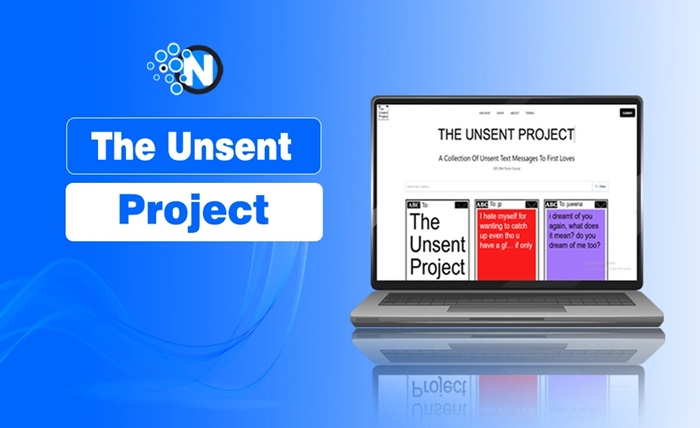
Unsent projects refer to ideas, drafts, messages, designs, creative works, or digital files that were created but never officially shared, published, or delivered. In today’s digital-first world, unsent projects exist everywhere—from half-written emails and unpublished blog posts to abandoned app designs and unsubmitted assignments. Unsent projects often represent unfinished intentions, hesitation, or a pause between creation and action.
The concept of unsent projects matters because unsent projects reveal how people think, plan, and sometimes struggle with execution. Many creators, students, developers, and professionals accumulate unsent projects without realizing their potential value. Whether intentional or accidental, unsent projects often contain raw creativity, unfiltered emotion, or early innovation that can still be refined and reused.
Unsent projects are also psychologically significant. They capture moments of doubt, perfectionism, fear of judgment, or shifting priorities. By understanding unsent projects, individuals can learn to manage unfinished work more effectively and turn stalled ideas into meaningful outcomes.
Unsent Projects in Creative Fields and Digital Workspaces
Unsent projects are especially common in creative fields such as writing, music, graphic design, video editing, and software development. Artists frequently start unsent projects when inspiration strikes but later abandon them due to changing tastes or creative blocks. These unsent projects often remain stored on devices, waiting for a second chance.
In digital workspaces, unsent projects appear as draft emails, unshared Google Docs, unpublished websites, and incomplete social media posts. Professionals often create unsent projects while brainstorming or preparing communication but decide not to send them due to timing, tone, or strategy changes. Despite being unsent projects, these drafts still serve as valuable references.
Unsent projects also play a role in collaboration. Teams may create unsent projects during planning phases that never move forward, yet these unsent projects can provide insights into past decisions and future opportunities. Rather than viewing them as failures, unsent projects should be seen as part of the creative and professional process.
Unsent Projects and Emotional Expression
Unsent projects often carry emotional weight, especially when they involve personal messages, letters, or creative expression. Many people write unsent projects such as letters to loved ones, apologies, confessions, or personal reflections that are never shared. These unsent projects help individuals process emotions without the pressure of response.
Psychologically, unsent projects act as emotional outlets. Writing or creating without sending allows people to explore feelings honestly. Even though unsent projects remain private, they can provide relief, clarity, and self-awareness. Therapists sometimes encourage unsent projects as a form of journaling or emotional regulation.
Unsent projects also preserve moments in time. Reading an old unsent project can reveal personal growth and changing perspectives. In this way, unsent projects become emotional archives that document inner thoughts and unspoken experiences.
Unsent Projects in Education and Learning Environments
Unsent projects are common in academic settings, where students frequently start assignments, research papers, or presentations that never get submitted. These unsent projects may result from time constraints, shifting requirements, or lack of confidence. However, unsent projects still contribute to learning.
From an educational perspective, unsent projects represent practice and experimentation. Even when unfinished, unsent projects help students develop critical thinking, writing skills, and subject understanding. Educators can encourage students to revisit unsent projects instead of discarding them entirely.
Unsent projects can also highlight systemic challenges such as unclear instructions or overwhelming workloads. By analyzing unsent projects, institutions can improve teaching strategies and student support systems. Thus, unsent projects play a hidden but important role in education.
Unsent Projects in Business, Marketing, and Entrepreneurship
Unsent projects in business include unlaunched campaigns, rejected proposals, draft business plans, and unused branding concepts. Entrepreneurs often generate many unsent projects before finding the right idea to pursue. These unsent projects are not wasted; they are stepping stones to refinement.
In marketing, unsent projects might be ad copies or email campaigns that were never released. Reviewing unsent projects helps teams understand what didn’t align with brand voice or audience needs. Sometimes, unsent projects can be updated and repurposed for future use.
Unsent projects also protect businesses from costly mistakes. Not every idea should be sent or launched immediately. Strategic pauses create unsent projects that act as filters, ensuring only the best concepts reach the public.
Unsent Projects and Productivity Challenges
Unsent projects are closely tied to productivity habits. A large number of unsent projects may indicate procrastination, perfectionism, or unclear goals. People often start unsent projects enthusiastically but lose momentum when obstacles appear.
Managing unsent projects requires organization and reflection. Categorizing unsent projects into “abandon,” “revise,” or “complete” helps reduce mental clutter. Productivity tools and project management systems can help track unsent projects and bring structure to unfinished work.
Importantly, not all unsent projects need to be completed. Some unsent projects serve their purpose simply by existing. Recognizing which unsent projects deserve attention is a key productivity skill that leads to better focus and outcomes.
Unsent Projects: How to Revisit, Reuse, and Revive Them
Unsent projects can often be revived with fresh perspective and updated goals. Revisiting old unsent projects allows creators to identify valuable ideas that were ahead of their time. With improved skills and experience, many unsent projects can evolve into successful outcomes.
Reusing unsent projects is another powerful strategy. A paragraph from an unsent project might fit perfectly into a new article, or a rejected concept could inspire a new product. Digital archives make it easier than ever to search and reuse unsent projects.
Finally, letting go of unsent projects is also healthy. Not every unsent project needs revival. Decluttering old unsent projects frees mental space and allows energy to flow toward current priorities.
Conclusion
Unsent projects are more than forgotten drafts or abandoned ideas—they are reflections of creativity, intention, and growth. Whether emotional, professional, or academic, unsent projects capture moments that still hold value. By understanding, organizing, and reassessing unsent projects, individuals and organizations can unlock hidden potential.
Instead of viewing unsent projects as failures, they should be seen as part of a natural creative cycle. Some unsent projects will remain private, some will be revived, and others will simply teach lessons. In every case, unsent projects contribute to progress in meaningful ways.
FAQs
1. What exactly are unsent projects?
Unsent projects are any creative, professional, or personal works that were started but never officially shared, published, or submitted.
2. Are unsent projects a sign of failure?
No, unsent projects are not failures. They often represent experimentation, learning, or emotional processing.
3. Should I delete old unsent projects?
It depends. Some unsent projects may be worth revisiting or reusing, while others can be safely deleted to reduce clutter.
4. How can unsent projects improve creativity?
Unsent projects provide raw ideas and honest expression, which can inspire new and better work in the future.
5. Can unsent projects be useful in business?
Yes, unsent projects in business can help refine strategies, avoid mistakes, and generate future ideas.