Introduction
The vision of har ghar bijli represents one of the most transformative initiatives aimed at ensuring electricity reaches every household. Access to electricity is no longer a luxury but a fundamental necessity that drives education, healthcare, and economic growth. The idea of har ghar bijli is rooted in the belief that every citizen deserves equal access to energy, regardless of geographical or economic barriers. By bringing power to remote villages and underserved regions, har ghar bijli is reshaping the socio-economic fabric of the nation.
Electricity impacts every aspect of daily life, from lighting homes to powering industries, and the success of har ghar bijli has become a benchmark for development. It is not just about infrastructure but about improving quality of life, reducing poverty, and enabling opportunities.
The Vision and Mission Behind Har Ghar Bijli
The mission of har ghar bijli is to achieve universal electrification, ensuring no household is left in darkness. Governments and organizations have worked collaboratively to make har ghar bijli a reality by investing in power generation, transmission, and distribution networks. The vision goes beyond simply connecting wires; it aims to provide reliable and sustainable electricity.
Through har ghar bijli, policymakers seek to bridge the urban-rural divide and empower marginalized communities. The initiative also emphasizes clean and renewable energy sources, ensuring that the growth driven by har ghar bijli is environmentally sustainable. By aligning with global development goals, har ghar bijli contributes to long-term economic stability and environmental responsibility.
Impact of Har Ghar Bijli on Rural Development
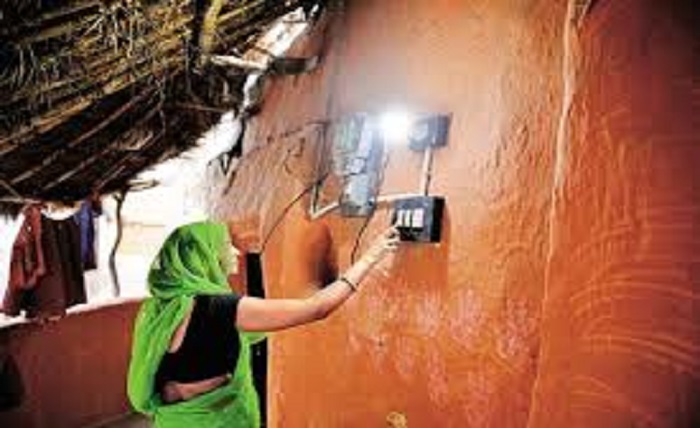
The implementation of har ghar bijli has had a profound impact on rural development. Villages that once relied on kerosene lamps now benefit from consistent electric supply, enabling better living conditions. With har ghar bijli, rural households can access modern appliances, improving productivity and comfort.
Education has seen significant improvements due to har ghar bijli, as students can study after sunset without limitations. Healthcare facilities have also improved, as electricity enables the use of medical equipment and proper storage of medicines. The ripple effects of har ghar bijli extend to agriculture as well, where electric pumps and machinery enhance farming efficiency.
Economic Benefits of Har Ghar Bijli
One of the most notable advantages of har ghar bijli is its contribution to economic growth. Electrification opens doors to new business opportunities, especially in rural and semi-urban areas. With har ghar bijli, small-scale industries and entrepreneurs can operate efficiently, generating employment and income.
The presence of electricity reduces operational costs and increases productivity, making local businesses more competitive. Additionally, har ghar bijli attracts investments by improving infrastructure and connectivity. As a result, regions benefiting from har ghar bijli experience faster economic development and improved standards of living.
Challenges in Achieving Har Ghar Bijli
Despite the success of har ghar bijli, several challenges remain in achieving complete and sustainable electrification. Remote and geographically difficult areas pose logistical challenges, making it harder to implement har ghar bijli effectively. Infrastructure development in such regions requires significant investment and planning.
Another challenge is ensuring consistent and reliable supply under har ghar bijli, as power outages and voltage fluctuations can affect usability. Financial constraints and maintenance issues also impact the long-term sustainability of har ghar bijli initiatives. Addressing these challenges is crucial for ensuring that the benefits of har ghar bijli reach every household without interruption.
Role of Renewable Energy in Har Ghar Bijli
Renewable energy plays a vital role in strengthening the foundation of har ghar bijli. Solar, wind, and hydroelectric power are increasingly being integrated into electrification projects to ensure sustainability. By incorporating renewable sources, har ghar bijli reduces dependence on fossil fuels and minimizes environmental impact.
Solar power, in particular, has become a game-changer for har ghar bijli, especially in remote areas where grid connectivity is challenging. Off-grid solar solutions enable households to access electricity independently. The integration of renewable energy ensures that har ghar bijli remains a future-ready initiative aligned with global climate goals.
Government Initiatives Supporting Har Ghar Bijli
Various government schemes have been instrumental in advancing har ghar bijli across the country. These initiatives focus on infrastructure development, subsidies, and financial support to ensure widespread electrification. Programs under har ghar bijli aim to provide affordable electricity connections to economically weaker sections.
Public-private partnerships have also played a key role in accelerating the progress of har ghar bijli. By leveraging technology and innovation, these collaborations enhance efficiency and reduce implementation costs. The continued support of government policies ensures that har ghar bijli remains a priority in national development agendas.
Future of Har Ghar Bijli
The future of har ghar bijli lies in ensuring not just access but also quality and sustainability of electricity supply. Smart grids, energy-efficient technologies, and digital monitoring systems are expected to enhance the effectiveness of har ghar bijli initiatives. These advancements will improve reliability and reduce energy losses.
As technology evolves, har ghar bijli will continue to adapt, incorporating innovative solutions to meet growing energy demands. The focus will also shift towards empowering consumers with better control over energy usage. With continuous improvements, har ghar bijli will remain a cornerstone of inclusive development.
Conclusion
In conclusion, har ghar bijli is more than just an electrification program; it is a movement towards equality, empowerment, and progress. By ensuring access to electricity for every household, har ghar bijli transforms lives, boosts economic growth, and enhances overall well-being. While challenges remain, the continued commitment to har ghar bijli promises a brighter and more sustainable future for all.
The journey of har ghar bijli reflects the power of collective effort and visionary planning. As the initiative evolves, it will continue to play a crucial role in shaping a modern, inclusive, and energy-secure society.
FAQs
1. What is the meaning of har ghar bijli?
Har ghar bijli means providing electricity to every household, ensuring universal access to power.
2. Why is har ghar bijli important?
Har ghar bijli is important because it improves quality of life, supports education, and drives economic growth.
3. How does har ghar bijli benefit rural areas?
Har ghar bijli benefits rural areas by enabling better education, healthcare, and agricultural productivity.
4. What challenges does har ghar bijli face?
Har ghar bijli faces challenges like infrastructure limitations, remote accessibility, and maintaining reliable supply.
5. What is the future of har ghar bijli?
The future of har ghar bijli includes smart technologies, renewable energy integration, and improved power reliability.