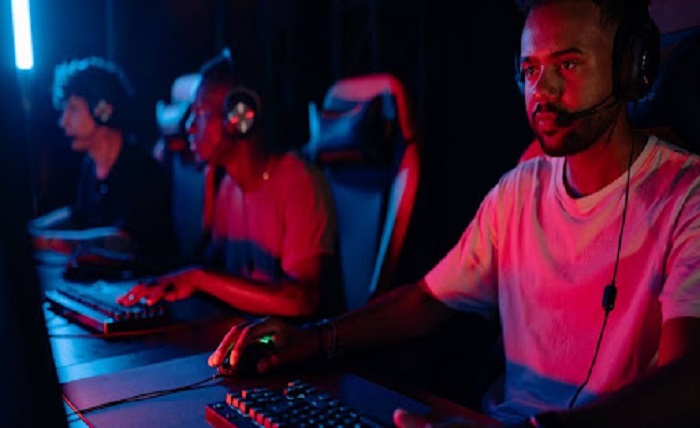
Have you ever logged in for a quick match and ended up feeling like you spent the evening with real company?
Online gaming can feel bigger than a regular game night because it blends play, conversation, timing, shared goals, and personal routine into one connected activity. The screen is only the meeting place; the real appeal comes from the people, choices, reactions, and small moments that happen during each session.
A traditional game night usually has a clear start and finish, but online play often continues through messages, rankings, inside jokes, and plans for the next session. That ongoing connection is why a short match can feel like part of a larger social habit.
Why A Screen Can Still Feel Social
Online games create social contact through shared attention and fast response.
Real-Time Reactions Build Connection
People bond quickly when they react to the same event at the same time. A close win, a funny mistake, or a last-second save gives everyone a shared memory that feels personal because they were all part of it.
Voice chat, text chat, and quick signals make these moments feel immediate. Even short messages can carry tone, humor, support, or frustration, which gives online play the same back-and-forth energy people expect from a table game night.
Shared Rules Make People Feel Included
Every game has rules, roles, and habits that players learn together. That shared knowledge helps people feel included because everyone understands what counts as smart play, risky play, or a funny mistake.
Even casual terms like slot online show how gaming language can become part of everyday conversation, especially when players use short phrases to describe formats, patterns, or familiar play styles.
The Pace Keeps Attention Active
Online play often feels absorbing because it gives the brain a steady stream of clear feedback.
Small Decisions Create Momentum
Players rarely sit still for long during online sessions. They choose routes, time actions, read opponents, manage resources, or respond to changing conditions, and each choice gives the session movement.
This constant decision-making makes the activity feel active instead of passive. The player is not just watching events happen; they are shaping outcomes through timing, planning, and quick judgment.
Feedback Arrives Right Away
Online games usually show results quickly. A player sees points, progress, rank changes, completed tasks, or match outcomes soon after making choices, which helps them understand what worked and what needs practice.
That clear feedback loop makes improvement feel measurable. Even small gains, such as better timing or fewer mistakes, can make a session feel meaningful because the player can see progress forming in real time.
Rituals Turn Play Into A Shared Habit
Game night feels stronger when it becomes part of a regular routine.
Scheduled Sessions Create Anticipation
Online gaming often fits into predictable windows, such as after work, after school, or late in the evening. That routine gives players something to look forward to, especially when the same group returns at the same time.
The anticipation matters because it stretches the experience beyond the match itself. People think about strategies, remember funny moments, and check if friends will be online before the session begins.
Inside Jokes Make The Group Feel Closer
Groups build their own humor through repeated play. A failed plan, a lucky win, or a teammate’s strange habit can become a running joke that carries from one session to the next.
These small references make the group feel familiar. A person who understands the joke feels like part of the circle, which adds a social layer that a single offline game night may not always build as quickly.
Player Identity Adds Personal Meaning
Online gaming lets people express a version of themselves through names, choices, and play style.
Usernames Become Recognizable
A username is often the first thing others remember about a player. Over time, that name becomes linked with a style of play, a sense of humor, or a trusted role within the group.
A name such as DRAGON222 can become more than a login label when teammates associate it with steady support, bold moves, or a specific personality during matches.
Play Style Shows Personality
Some players like careful planning, while others prefer fast action or creative risk. These habits give people a way to show personality without needing long conversations.
Teams often learn who stays calm, who spots details, who motivates others, and who takes chances. That recognition makes each player feel seen for what they contribute, not just for winning or losing.
Cooperation Creates A Stronger Group Feeling
Many online sessions feel meaningful because success depends on people working together.
Roles Give Everyone A Purpose
Group-based games often work best when players take different roles. One person may lead, another may defend, another may gather information, and another may focus on timing.
Clear roles help each person understand their value. The session feels more rewarding when a win comes from combined effort rather than one player carrying the whole result.
Trust Builds Through Repeated Play
Trust grows when players learn how others act under pressure. A teammate who communicates clearly, stays patient, or helps recover from mistakes becomes someone others want to play with again.
That trust gives online game nights a social depth that goes beyond the score. People return because they enjoy being part of a group that knows how to work together.
Why It Stays With People After Logging Off
The best online sessions leave players with memories, lessons, and social connection.
Memorable Moments Feel Shared
A close match can stay in a person’s mind because it involved tension, timing, and teamwork. The memory feels stronger when others remember the same moment and talk about it later.
Shared memory is a big reason online gaming feels like more than a quick pastime. It gives people stories they can retell, laugh about, and use to strengthen group identity.
Growth Makes Play Feel Rewarding
Players often notice improvement across many sessions. They react faster, communicate better, understand patterns, and make calmer choices under pressure.
That steady growth makes online gaming feel personally rewarding. A session can offer social time, mental challenge, and a sense of progress all at once, which is why it often feels like far more than a simple game night.